
September Isn’t a Shopping Season Anymore. It’s a Moving Target.
September has always been an important reset for retail. But this year, it offers a useful reminder that consumers increasingly dictate their own shopping calendar.


September has always been an important reset for retail. But this year, it offers a useful reminder that consumers increasingly dictate their own shopping calendar.

The first and most basic way to incorporate new marketing strategies is by encouraging innovation and creative risk at your firm. Teams sometimes have to think in new and exciting ways to make moves when old tactics are no longer working as they used to. Leaders need to embrace the most reliable parts of classic methods while experimenting with innovative tools and new strategies.

The study of over 1,000 U.S. consumers makes it clear: the issue extends beyond inbox fatigue. Generic brand communications are impacting consumer productivity, eroding trust, altering brand perception, and changing how consumers engage with brands.

When consumer budgets are squeezed and shoppers are making tighter decisions, an
empty shelf, a mislabeled pallet, or a late shipment doesn’t just cost you sales. It costs you relationships. And it costs you during the period when food and beverage volumes, including cold beverages, seasonal packaged goods, grilling staples, and snacks are at their highest.

Email delivers impressive results for businesses of all sizes, generating an average of $36 for every dollar spent. For independent retailers working with limited budgets, this kind of performance makes email one of the most cost-effective marketing channels available.

Everyone called this a supply chain story. It’s not really. Manufacturers weren’t ready, sure, but that’s not bad luck. They didn’t build enough capacity because nobody believed this many of us would show up the second we got permission to ask.

Why the next phase of e-commerce growth depends on automating the operational work behind the “Buy” button, and what a quarter of a million monthly customer conversations taught us about getting there.

The gap between a carefully crafted brand image and what customers actually experience is widening. Closing this gap requires operational discipline in store design and execution to protect customer trust.

SCO has become the focal point of the shrink debate, but reducing it or replacing it doesn’t solve the root cause. Reducing shrink is about improving visibility across the entire store

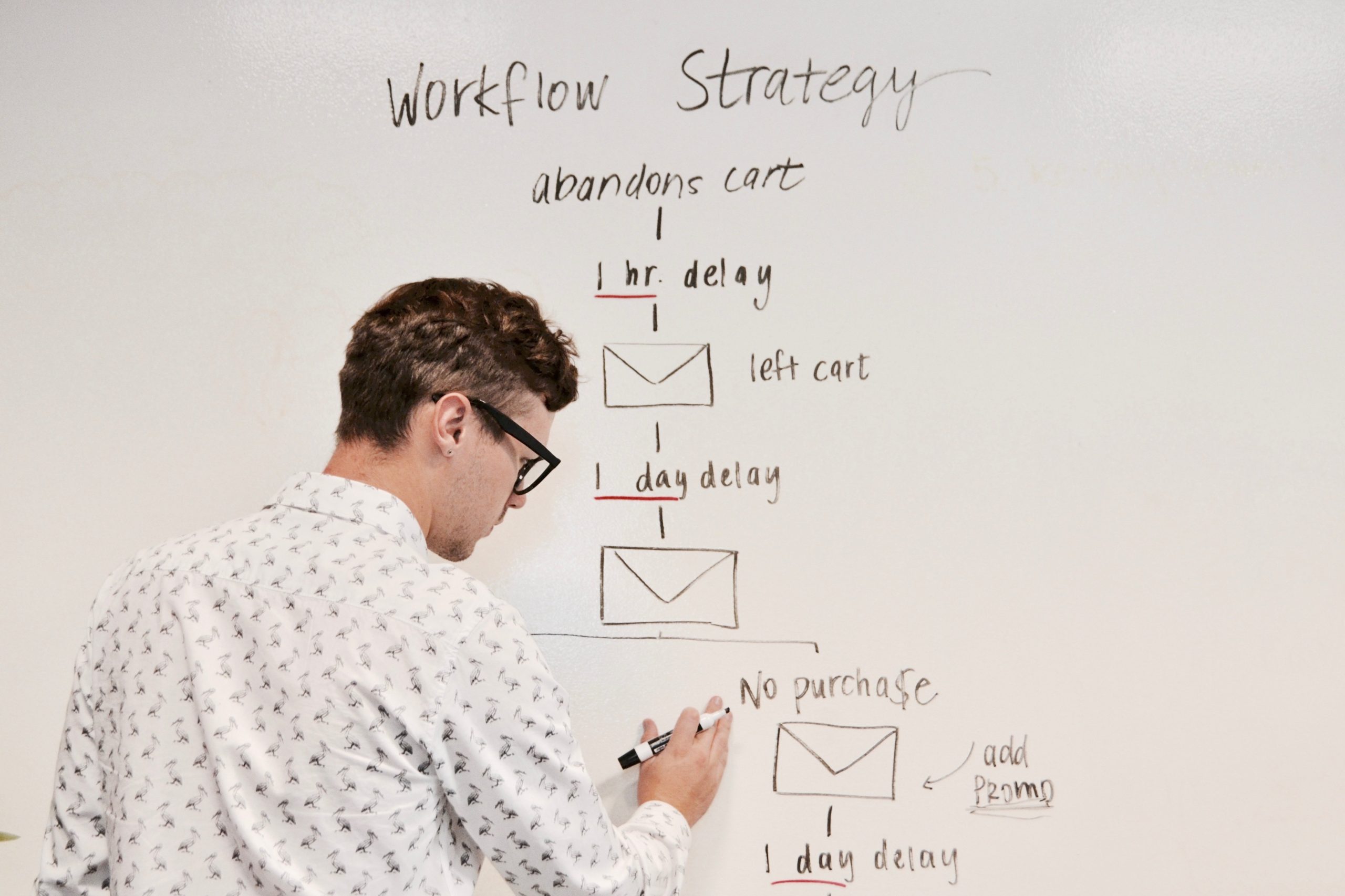
The main objective at this customer lifecycle stage is to reward customers for their loyalty. If a basic rewards system does not work for your particular business model, form relationships with each customer and offer discounts the next time that they make a purchase.
The Retailist Roundup is a weekly newsletter dedicated to keeping readers at the forefront of the future of retail. Delivered straight from our editors, we share the most influential headlines, the latest trends, thought-provoking predictions from global retail leaders, and the most promising job opportunities in the industry.
Subscribe below for the latest news and job opportunities in retail tech