
By Eleanor Hecks, Editor-in-Chief of Designerly Magazine
Running a retail business means you are already juggling inventory, customer service, finances and a dozen other responsibilities. Adding email marketing to that list might feel like one task too many. However, today’s email marketing platforms are designed with non-technical users in mind. With intuitive templates, automation features and easy-to-understand analytics, independent retailers can create professional campaigns without hiring a marketing specialist.
Why Email Marketing Is a Powerful Tool for Retailers
Email delivers impressive results for businesses of all sizes, generating an average of $36 for every dollar spent. For independent retailers working with limited budgets, this kind of performance makes email one of the most cost-effective marketing channels available.
Email lands directly in your customer’s inbox, giving you full control over who sees your message. This direct connection makes it easier to nurture loyalty, drive repeat purchases and track results through clear analytics. Automation tools handle much of the work, so you can stay connected with customers while managing your other responsibilities.
How to Get Started With Email Marketing
Following a few proven practices can significantly improve your results, even when you are managing everything yourself.
Build Your Subscriber List Ethically
Permission-based marketing ensures your subscribers want to hear from you, leading to better engagement and fewer spam complaints. Ask customers at the point of sale if they would like updates and special offers. A simple website signup form with a clear value proposition works well too, whether that is a discount on their first purchase or early access to sales.
Consider offering something valuable in exchange for an email address, such as a seasonal style guide, a product-related resource or an exclusive coupon code. The goal is to make subscribing feel like a genuine benefit.
Understand Key Email Metrics
Understanding a few key metrics helps you gauge what is working. Your open rate shows how compelling your subject line was, while click-through rate reveals whether your content resonated enough to prompt action. Conversion rate matters most because it measures how many people complete a desired action, like making a purchase. Most tools display these numbers in straightforward dashboards that anyone can interpret.
Essential Email Campaigns for Your Retail Business
A successful email strategy does not require sending messages every day. Instead, focus on delivering relevant content at the right time. For many retailers, that may mean a few thoughtful emails each month, with weekly sends reserved for periods when you have steady promotions, new inventory or timely updates to share.
- Welcome emails: First impressions matter. Welcome emails introduce your brand, thank new subscribers, and often include a special discount or incentive for a first purchase.
- Promotional campaigns: Highlight seasonal sales, product launches, limited-time offers or exclusive subscriber discounts to encourage immediate action.
- Product recommendations: Use previous purchases or browsing behavior to suggest products customers are likely to enjoy.
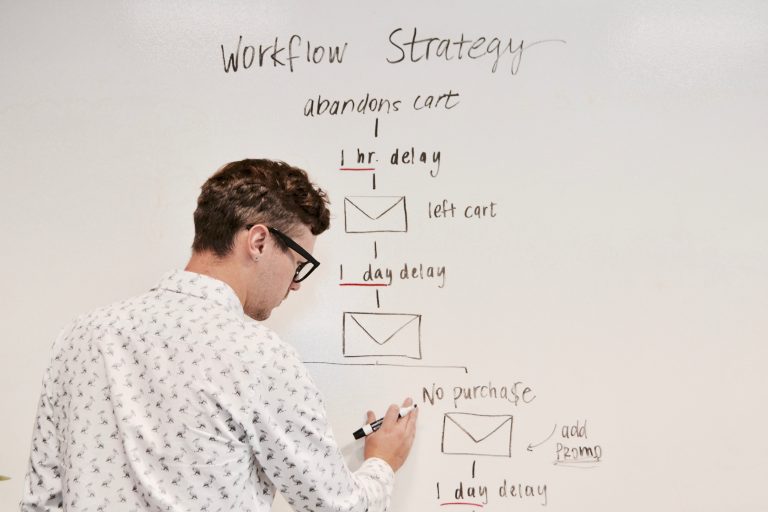
- Abandoned cart emails: If customers leave items in their online cart, automated reminders can encourage them to complete their purchase. A simple reminder, sometimes paired with a discount or free shipping offer, brings hesitant shoppers back.
- Customer appreciation emails: Celebrate customer milestones, birthdays, loyalty rewards or anniversaries to strengthen long-term relationships.
- Educational content: Share buying guides, styling tips, product care advice or industry insights that provide value beyond promotions.
3 of the Best Email Marketing Platforms for Beginners
These tools stand out according to user ratings and reviews as having user-friendly interfaces and intuitive features that are well-suited to non-technical marketers managing retail businesses.
1. Campaign Monitor
Campaign Monitor stands out as the top tool for email marketing among non-technical users when you need powerful capabilities in an accessible package. Its drag-and-drop builder makes creating branded campaigns straightforward. Personalization features help you deliver relevant messages that resonate with individual customers. The system combines email marketing with automation, segmentation and SMS to deliver clear, relevant communication.
2. Mailchimp
Mailchimp remains popular with small businesses for good reason. The interface is accessible and templates help beginners get started quickly. It has basic analytics and list management suitable for those testing email marketing for the first time.
3. Brevo
Brevo has evolved from a simple email tool into a broader marketing platform. It offers email marketing combined with SMS and chat capabilities, giving retailers multiple channels to reach customers. The interface emphasizes ease of use, and automation workflows help businesses stay connected across multiple touchpoints.
Frequently Asked Questions
Here are some common questions and their answers.
Why should retailers still use email marketing?
Email marketing helps retailers stay connected with customers, promote new products and encourage repeat purchases without relying on changing social media algorithms. It is a cost-effective way to build customer loyalty and drive consistent sales.
How often should I email my customers?
Frequency depends on your business type and what you have to say. Most retailers find success sending one to four emails per month. If you have regular promotions or new inventory, weekly emails work well. Monthly newsletters suit businesses with less frequent updates. Watch your unsubscribe rate and engagement metrics to adjust as needed.
What is the most important thing to get right in an email?
Your subject line determines whether recipients open your email. Keep it concise, clear and relevant. Personalization often improves open rates, as does creating urgency or curiosity when appropriate. Test different approaches to discover what resonates with your customers.
Your Next Steps to Email Marketing Success
Email marketing offers independent retailers an accessible tool to grow their businesses. With the right system, you can create professional campaigns that build customer loyalty and drive sales.
Choose a tool that fits your needs and begin building your list today. Your first campaign just needs to go out, as progress beats perfection. The sooner you begin, the sooner you will see results.
About author

Eleanor Hecks is a SMB writer and researcher with a particular focus on helping e-commerce businesses thrive. She works as Editor-in-Chief of Designerly Magazine, and her work is featured on a range of e-commerce publications such as ShoppingFeed.

How Modern Storefront Signage Creates Better Customer Experiences and Increases Foot Traffic
In a store of any real size, customers orient themselves using signage the same way they’d use it in an airport or a parking garage. Overhead department signs, aisle markers, and directional signage reduce the friction of “where do I find X” — and every extra minute a customer spends searching is a minute where they might decide to leave instead.

September Isn’t a Shopping Season Anymore. It’s a Moving Target.
September has always been an important reset for retail. But this year, it offers a useful reminder that consumers increasingly dictate their own shopping calendar.

Always Adapting: How To Incorporate Innovative Tech and New Strategies into Your Marketing
The first and most basic way to incorporate new marketing strategies is by encouraging innovation and creative risk at your firm. Teams sometimes have to think in new and exciting ways to make moves when old tactics are no longer working as they used to. Leaders need to embrace the most reliable parts of classic methods while experimenting with innovative tools and new strategies.

Why relevance is retail’s next competitive advantage.
The study of over 1,000 U.S. consumers makes it clear: the issue extends beyond inbox fatigue. Generic brand communications are impacting consumer productivity, eroding trust, altering brand perception, and changing how consumers engage with brands.
 for the latest news and job opportunities in retail tech