

How Modern Storefront Signage Creates Better Customer Experiences and Increases Foot Traffic
In a store of any real size, customers orient themselves using signage the same way they’d use it in an airport or a parking garage. Overhead department signs, aisle markers, and directional signage reduce the friction of “where do I find X” — and every extra minute a customer spends searching is a minute where they might decide to leave instead.

September Isn’t a Shopping Season Anymore. It’s a Moving Target.
September has always been an important reset for retail. But this year, it offers a useful reminder that consumers increasingly dictate their own shopping calendar.

Always Adapting: How To Incorporate Innovative Tech and New Strategies into Your Marketing
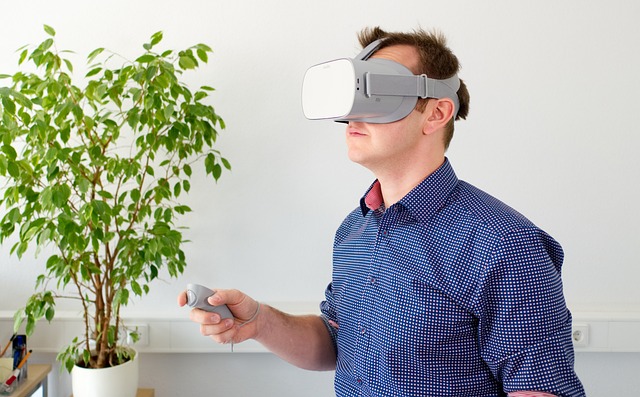
The first and most basic way to incorporate new marketing strategies is by encouraging innovation and creative risk at your firm. Teams sometimes have to think in new and exciting ways to make moves when old tactics are no longer working as they used to. Leaders need to embrace the most reliable parts of classic methods while experimenting with innovative tools and new strategies.

Why relevance is retail’s next competitive advantage.
The study of over 1,000 U.S. consumers makes it clear: the issue extends beyond inbox fatigue. Generic brand communications are impacting consumer productivity, eroding trust, altering brand perception, and changing how consumers engage with brands.
 for the latest news and job opportunities in retail tech