

By Eliana Wilson, eCommerce Consultant at Data4eCom
The Amazon marketplace is evolving faster than ever—are you prepared to stay ahead in 2026?
With constantly changing compliance regulations, frequent algorithm updates, and increasing competition, sellers must adapt quickly to maintain a competitive edge. To navigate this complexity, businesses must stay on top of emerging trends and implement a comprehensive strategy that includes effective inventory management, high-performance advertising, and consistent optimization.
This blog explores key strategies for managing your Amazon seller account and leveraging Amazon seller account management services to ensure continued growth, visibility, and profitability.
The Four Pillars: How to Manage an Amazon Seller Account in 2026?
1. Listings & Catalog Management
Audit product listings to ensure they are optimized for Amazon’s A10 algorithm, which prioritizes organic sales, conversion rates, and relevance.
- Keyword Optimization Using the Amazon Search Box
Type your ‘seed’ keyword in the search bar and compile the list from the auto-suggestions for relevant, high-conversion terms. Integrate these keywords into your titles, description and backend search terms to improve search result rankings.
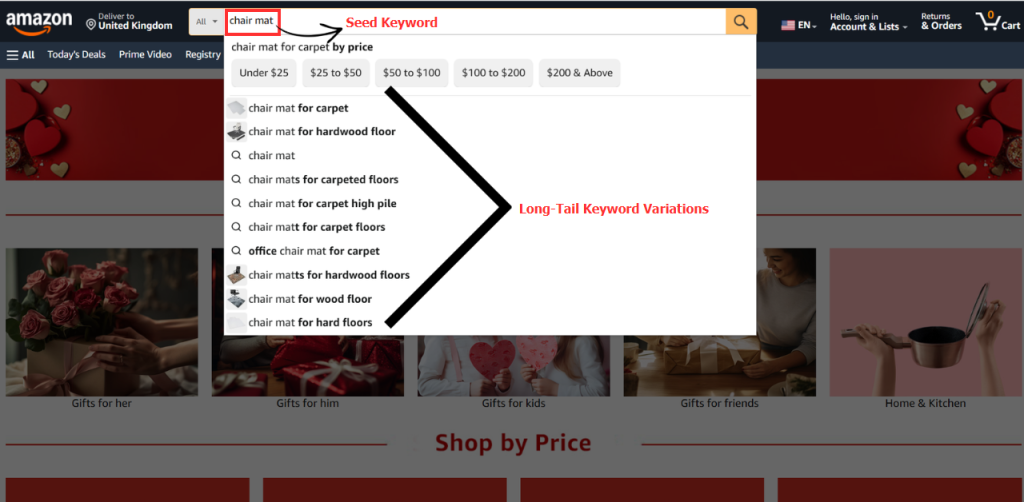
Example:
Queries Covered: Brand Name + Product Type + Features + Size + Material/Surface
Title: Furnisho Chair Mat for Carpet – Heavy Duty, Anti-Slip, Protects Hardwood Floors, 48×36 Inches
- Parent-Child ASINs for Improved Visibility
Organize related variations (size, color, material) under a single Parent ASIN to aggregate performance metrics. This structure “pools” sales velocity and reviews from every child ASIN into a single listing, preventing your ranking power from being diluted across multiple fragmented pages.
- High-Quality Product Images for Enhanced Conversion
Ensure compliance with Amazon’s image standards, including that the product occupies at least 85% of the frame and the main image has a plain white background. In addition to compliance, implement best practices such as mobile optimization, multiple angles to provide a complete view, and highlighting key features (such as size and scale) with close-up shots. - A+ Content for Enhanced Engagement
Utilize A+ Content (available to Brand Registered sellers) to enhance your listings with multimedia-rich descriptions, high-quality images, comparison charts, and feature highlights that clearly showcase product benefits.
2. Amazon Seller Account Health Management
Account health reflects selling privileges; a healthy account health rating (200-1000) ensures continued access. A declining AHR impacts listing health, reduces seller authority, and decreases organic visibility, as seller performance directly affects how products are ranked in search results.
Key Metrics to Track:
- Order Defect Rate (ODR): Maintain <1% to avoid suspension.
- Late Shipment Rate: Keep <4% for FBM orders (FBA handled by Amazon).
- Cancellation Rate: Aim for <2.5%.
- Valid Tracking Rate: Maintain >95% for FBM.
Policy Compliance:
Stay proactive by monitoring the ‘Policy Compliance’ section weekly and reviewing policies quarterly. Address any suppression events within 24 hours to protect organic visibility and maintain sales velocity.
3. Inventory & Operational Management
Set Restock Triggers Based on Sales Velocity Data
Amazon’s default restock recommendations serve as a starting point, not a comprehensive strategy. Build restock triggers based on your average daily sales velocity, adjusted for FBA processing lead times (typically 3-7 days for off-peak periods) and supplier lead times.
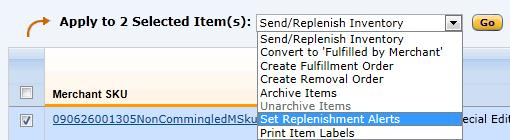
How to Set Replenishment Alerts in Amazon Seller Central:
Inventory Tab > Manage FBA Inventory > Apply to Selected Item(s) > Set Replenishment Alerts > Choose Weeks-of-Cover or Fulfillable Quantity and input the desired threshold.
FBA vs. FBM: Use Both for Optimal Coverage
FBA offers a ranking advantage due to Prime eligibility and delivery reliability, both of which are rewarded by the A10 algorithm. However, FBA is not always cost-effective for all products. Oversized, low-velocity, or highly customized products may perform better with FBM due to lower fulfillment costs and better margins.
The most effective approach is a hybrid model: Use FBA for high-velocity, standardized SKUs where Prime eligibility improves conversion rates, and use FBM as a backup for top-revenue ASINs to maintain Buy Box eligibility if FBA stock depletes unexpectedly.
4. Advertising & Marketing
Advertising: Maximize Performance and ROI
- Leverage Dayparting for Dynamic Bidding: Use Amazon Dayparting to adjust bids by time of day and customer behavior, increasing bids during peak hours to improve visibility and conversions.
- Monitor Key Metrics for Continuous Optimization: Track and evaluate ACoS, TACoS, ROAS, and CTR regularly to assess campaign effectiveness. Adjust bids and budgets based on real-time performance data to ensure sustainable growth while maintaining profitability.
- Utilize Amazon DSP for Audience Retargeting: Leverage Amazon DSP to target audiences beyond Amazon’s platform through retargeting and contextual targeting, reaching potential buyers across digital channels.
- Optimize Campaigns with Auto Bidding: Use Amazon Auto Bidding to dynamically adjust bids in real time based on auction dynamics, ensuring maximum visibility for high-priority keywords.
- Seasonal Bundles with Sponsored Ads: Boost seasonal sales by creating bundles and promoting them with Sponsored Products and Sponsored Brands ads, offering added value to customers and driving conversions.
Key Insight: Advertising on Amazon is a compounding investment. Campaigns that build sales velocity improve rankings, which drive organic traffic and reduce reliance on paid spend over time. Sellers who manage ACoS in isolation — without monitoring TACoS — will consistently underinvest in the campaigns that generate the most long-term value. |
Marketing: Expand Reach and Build Brand Awareness
- Leverage Amazon Attribution for Off-Amazon Tracking: Track the effectiveness of social, email, and influencer campaigns through Amazon Attribution, gaining insights into cross-channel performance.
- Create New ASIN Variations for Extended Visibility: Add ASIN variations (e.g., size, color) to boost organic visibility, enhance customer choice, and increase your chances of winning the Buy Box.
- Launch Social, Influencer, and Email Marketing Campaigns: Combine Amazon’s platform with social media, influencer marketing, and email campaigns to drive traffic to your listings and increase brand visibility.
- Launch Seasonal Bundles and Limited-Time Offers: Increase sales with limited-time promotions or seasonal bundles to create urgency and deliver greater value to customers.
The Strategic Imperative: Amazon’s dynamic marketplace requires constant adaptation to evolving compliance requirements, algorithm updates, and inventory management. Outsourcing Amazon seller account management services ensures specialized professionals handle these complexities—optimizing PPC, maintaining account health, and staying ahead of regulatory shifts. This allows sellers to accelerate growth, while experts navigate the complexities of an ever-evolving marketplace.
About author
 Eliana Wilson is an experienced eCommerce consultant at Data4eCom, a leading outsourcing agency providing end-to-end eCommerce services, with a strong background in multi-channel selling, digital marketing, and product data management. She works closely with brands and online retailers to streamline operations, enhance visibility, and scale revenue across platforms, such as Amazon, Walmart, and eBay. Her expertise spans product listing optimization, marketplace compliance, eCommerce PPC, and catalog management. Eliana regularly shares insights to help businesses overcome growth challenges and stay competitive.

How Retailers Are Using AI to Optimize Store Layouts and Boost Sales
Ensuring visibility is a challenge of space planning. Historically, retailers relied on static floor plans or sent district managers to visit stores semi-regularly to understand their spaces before changes. This approach created blind spots — layouts looked one way on paper but functioned differently in practice, and problems often went unnoticed until they affected sales.

AI Search Is Here to Stay – Here’s How to Stay Ahead of It.
The fast pace of these changes to search can be overwhelming to startup owners, who may feel like they’re struggling to catch up to the trends. Does traditional SEO even matter anymore? How do businesses optimize for the specific indicators AI engines look for?

Beyond the AI Hype: Why Retailers Are Doubling Down on Real-time Inventory
AI assistants can now take shoppers from search to checkout and breeze right past a merchant’s website. The traditional product discovery and purchasing journey are now happening inside AI channels, and major platforms are all aligning on this new shopping protocol.

Transaction-Level Data Is Raising the Bar for Attribution and Accountability
For retailers building or scaling retail media and broader commerce marketing programs, this shift reshapes how audiences should be built and forces a more disciplined approach to transparency and cross-channel accountability.
 for the latest news and job opportunities in retail tech