
By Peter Evans, CEO at Orderly
The COVID-19 pandemic has resulted in significant disruptions to communities worldwide. Understanding how to now adjust models to these new developments and prepare for potential future disruptions will be essential to navigating the uncertain landscape ahead that many experts believe will come.
Part of the role of AI in the supply chain is also about predicting demand for each SKU and understanding the most intricate details of a business — from absences and employee sickness, to effective delivery routing and modifying delivery models to meet demands as they happen.
AI-Generated Scorecard
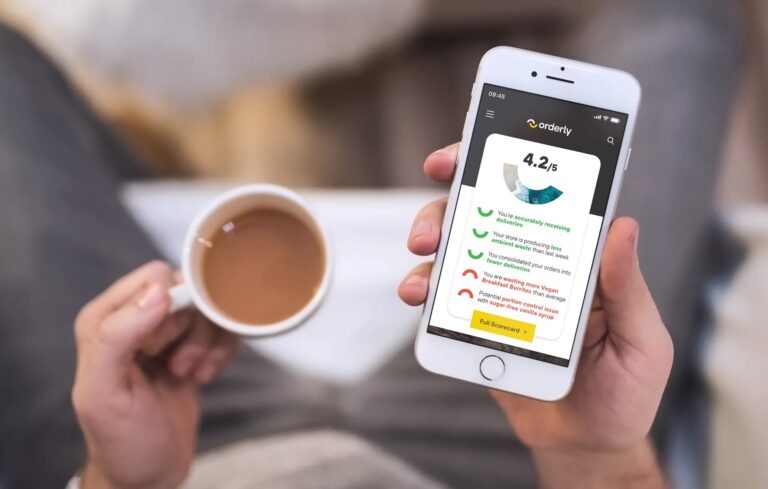
AI-generated scorecards such as those offered by Orderly have been used to influence human behavior across the food and beverage supply chain. In the effort to reduce waste and increase sustainability, the scorecard concept works with a number of data sources to provide the user with easy to understand overviews:
● 3 things they are doing well to increase sustainability in their organization area
● 2 things they can improve upon
● 1 score out of 5
The score enables them to track their progress over time and benchmark themselves against their peers.
Each week the scorecard is updated with new recommendations and the system checks the data to see if recommendations have been followed by the user (self-learning).
The idea is that if each person in an organization has a scorecard and makes the two small recommended changes to their behavior each week, the benefits multiply and indeed continue to do so as more people use the scorecard.
AI in Direct to Consumer (D2C)
Earlier this year, Orderly worked closely with a large UK supermarket to implement agile eCommerce and to support direct-to-consumer offerings.
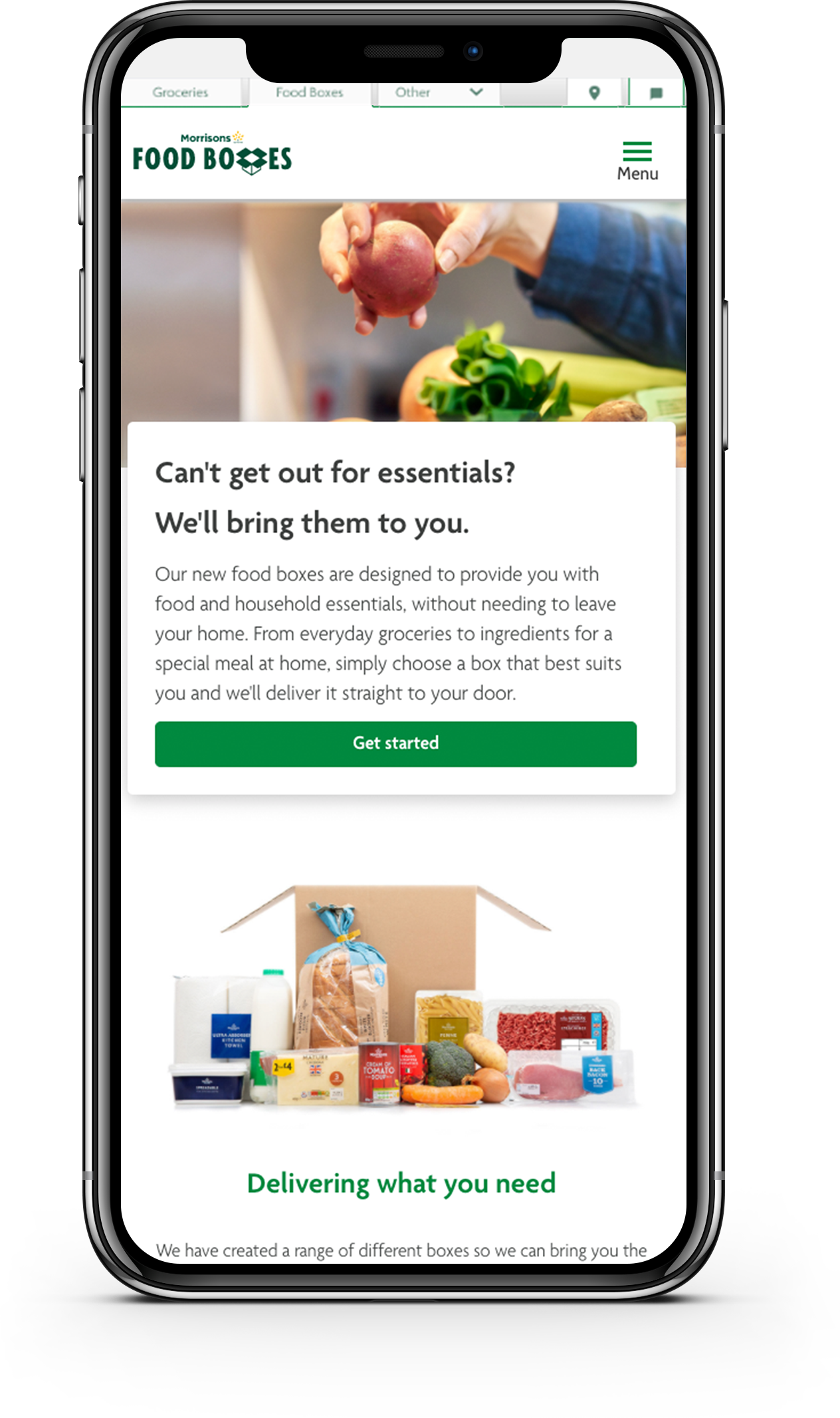
At the height of the pandemic, supermarkets were struggling to provide enough delivery slots to provide for customers – this meant that food could have been sitting in warehouses and been wasted.
Orderly managed to implement a direct-to-consumer offering with a major supermarket in only 6 days – providing an eCommerce front end, pick and pack and customer service direct from their warehouse to consumers using a third party for delivery.
The solution was later expanded to provide priority slots for the vulnerable who may have been struggling due to shift-times and supermarket shortages and the NHS.
Further enhancements for a post-COVID world to Orderly’s software platform involve smart decisions around routing stock into the direct to consumer offering to reduce waste, and manage the supply chain risk around ‘local lockdowns’.
Change is inevitable.
The companies with robust systems that are agile are the ones that will likely have a better chance of picking themselves up and adapting quickly.
Orderly believes technology holds the key to peace of mind for the future. Whilst now is a time to rebuild at pace, an investment into AI could prove worthwhile if the resource can be allocated – transforming how sourcing and procurement are done.
AI-generated recommendations in conjunction with a strong team and existing data can lead to each person in your supply chain making the suggested weekly, incremental improvements that drive exponential value over time — saving waste, money and conserving precious resources.
About the author
Peter is responsible for the vision and voice of Orderly. Peter’s driving mission is to grow  Orderly to ensure our technology can do good for people, the environment, business and society.
With over a decade of experience in digital technologies from marketing to supply chain – Peter has consulted with enterprise on strategy to increase efficiency and sales.

The Retail Leader’s Playbook for Employee Motivation and Engagement
Leaders can strengthen team connections by creating regular opportunities to share feedback, ask questions and stay informed about company updates. Regular touchpoints, from team huddles to feedback surveys and internal messaging tools, keep frontline employees informed and connected.

Your Holiday Shoppers Aren’t Customers Yet
The typical holiday shopper is buying presents on a deadline and got pulled in by a purported deal. It’s what borrowed traffic looks like, and borrowed traffic leaves once the reason it came (or the deal) is gone.
How Modern Storefront Signage Creates Better Customer Experiences and Increases Foot Traffic
In a store of any real size, customers orient themselves using signage the same way they’d use it in an airport or a parking garage. Overhead department signs, aisle markers, and directional signage reduce the friction of “where do I find X” — and every extra minute a customer spends searching is a minute where they might decide to leave instead.

September Isn’t a Shopping Season Anymore. It’s a Moving Target.
September has always been an important reset for retail. But this year, it offers a useful reminder that consumers increasingly dictate their own shopping calendar.
 for the latest news and job opportunities in retail tech
