

From unethical mining to toxic processing methods, unsustainable practices have unfortunately become the norm for ‘fast fashion’ jewelry in recent years. Consumers are now asking the jewelry industry how they are making their jewelry, demanding where the materials come from and unearthing whose lives the process might affect.
While many brands have begun to address this challenge, tracing materials back to their origins can be tricky to say the least – making it difficult for traditional merchants to tout fully ethical practices. Nonetheless, some organizations are doing a better job at supporting socially conscious production.
In response to these questions, Mike Cooke, CEO of Sterling Forever, has made it a priority to procure raw materials that are more environmentally friendly and commit to abiding by rigorous labor compliance and standards. This includes:
- Using freshwater pearls instead of synthetic ones
- Reducing packaging wherever possible
- Hiring third party agencies abroad to visit production facilities to confirm labor laws and standards are being upheld, such as safe working conditions, fair pay and no child labor
Like many other industries, the jewelry industry needs to find ways to reduce its carbon footprint. While it may never be possible for a jewelry company to become completely “green” we know we can take steps to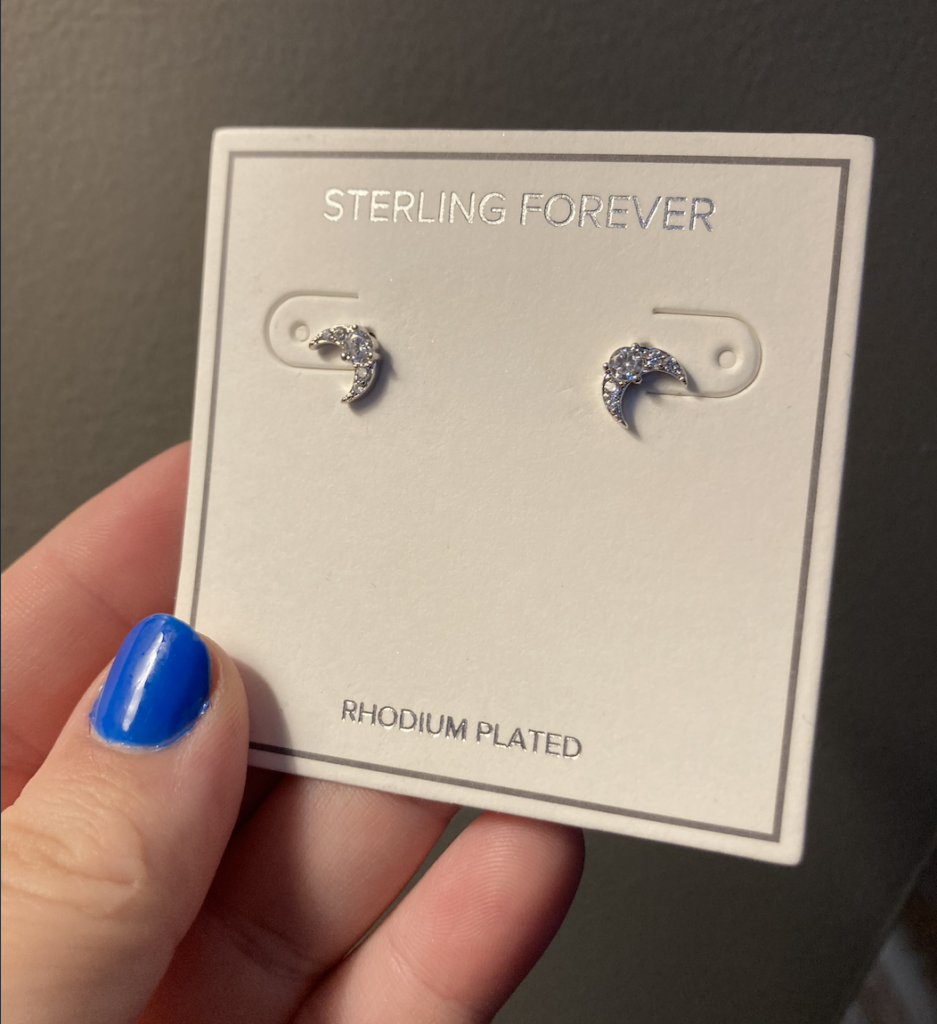 provide more sustainable pieces that a conscientious consumer will enjoy wearing. Sterling Forever customers can rest assured knowing their stylish pieces have been crafted with sustainability in mind. For Mike, selling sustainable jewelry has grown to be a passion:
“I started selling jewelry when I was 17 years old, and over the years I’ve found a real passion for the collaborative design process and taking the trends you’ll see on the runway and making them a part of someone’s wardrobe,” Mike says. “Sterling Forever does two major jewelry collections a year Spring/Summer and Fall/Winter with each collection being a dozen or so pieces that are wearable. We like to focus on creating jewelry that anyone can wear.”
In a true commitment to sustainability, Sterling Forever offers a lifetime guarantee for every item. They pledge to replace or repair any damaged or broken jewelry free of charge. Customers will find a range of stylish pieces at Sterling Forever from the brand’s Maryland studio. To learn more Sterling Forever visit sterlingforever.com.
About the author
 Mike Cooke is the founder and CEO of Sterling Forever. He started selling jewelry when he was 15 years old, out of his parents’ basement, on eBay. Since then, he has grown the brand into a selection of high-quality, easy-to-wear basics made to last forever. The brand’s aesthetic is inspired by runway trends and celebrity favorites.

Always Adapting: How To Incorporate Innovative Tech and New Strategies into Your Marketing
The first and most basic way to incorporate new marketing strategies is by encouraging innovation and creative risk at your firm. Teams sometimes have to think in new and exciting ways to make moves when old tactics are no longer working as they used to. Leaders need to embrace the most reliable parts of classic methods while experimenting with innovative tools and new strategies.

Why relevance is retail’s next competitive advantage.
The study of over 1,000 U.S. consumers makes it clear: the issue extends beyond inbox fatigue. Generic brand communications are impacting consumer productivity, eroding trust, altering brand perception, and changing how consumers engage with brands.

Don’t Let Grocery Suppliers Let You Down This Summer. Here’s How To Stop Them.
When consumer budgets are squeezed and shoppers are making tighter decisions, an
empty shelf, a mislabeled pallet, or a late shipment doesn’t just cost you sales. It costs you relationships. And it costs you during the period when food and beverage volumes, including cold beverages, seasonal packaged goods, grilling staples, and snacks are at their highest.

The Retailer’s Guide to Email Marketing Without a Marketing Department
Email delivers impressive results for businesses of all sizes, generating an average of $36 for every dollar spent. For independent retailers working with limited budgets, this kind of performance makes email one of the most cost-effective marketing channels available.
 for the latest news and job opportunities in retail tech